Project type: Contextual Inquiries to understand “A Day in The Life” of a Sales Development Representative [SDR]
Project date/duration: March 2025 – April 2025
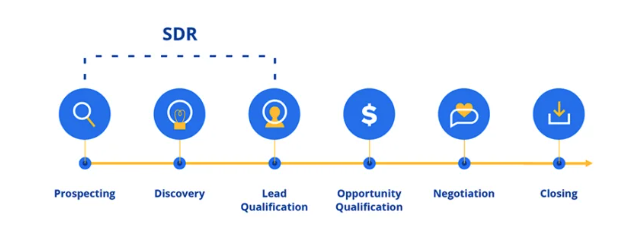
Project Summary:
In early 2025, I led a mixed-methods UX research project to uncover the workflow challenges facing Sales Development Representatives (SDRs) at ServiceNow. Our goal was to identify systemic friction points that reduce productivity and create opportunities to streamline the SDR experience.
The Challenge
SDRs play a critical role in building pipeline, yet their tools and systems often work against them. To better understand their daily reality, I conducted in-depth interviews with SDRs and SDR managers across EMEA, LATAM, APAC, and AMS. Participants logged their actions and frustrations throughout the day, giving us a real-time view of their pain points and behaviors.
What We Found
- Tool Fragmentation: SDRs constantly switched between five different SW solutions just to piece together basic lead and pipeline info.
- Outreach Content: Default cadences were too U.S.-centric, leading reps to write their own messages or abandon the tool entirely.
- Commission Tracking: Mismatches between systems meant SDRs had to manually confirm opportunity status, risking missed pay.
- Lead Vetting: Low trust in lead scoring forced reps to validate every contact using tools outside of the ones provided.
- AE Collaboration: Handoffs were spreadsheet-driven, leading to lost context and redundant outreach.
What We Recommended
- Unify data into one actionable dashboard
- Empower regional teams to own and edit Outreach content
- Embed buyer roles, account fit, and lead signals directly into CRM views
- Create shared campaign dashboards for SDRs and AEs
Impact & Next Steps
Our insights directly influenced Sales Ops and CRM Engineering priorities. We partnered with UX Design to map real-world workflows and are now running follow-up studies on a new sales playbook. The impact of this work is ongoing—but the direction is clear: smarter systems, better collaboration, and SDRs spending more time doing what they do best.
My Role as Lead UX Researcher:
As the lead UX researcher on this project, I was responsible for the following:
- Creating a research plan, involving stakeholder interviews and feedback.
- Sending out recruting messages to each person individually, once they accepted I then explained to them over Teams messaging what the expectation was and if they could commit to doing the interview.
- Gathering user feedback through interviews.
- Identifying pain points and improvement opportunities.
- Advocating for the user in strategy meetings.
- Creating a “A Day in the Life” Visual
My contributions were crucial to the success of this project. I ensured that the final product was user-friendly and specifically tailored to meet the needs of the target audience..
Artifacts from the research:
This is what the output looked like to help the team understand what tools were being used, when, and how.

Results:
Prioritized List of High-Impact Friction Points
I surfaced the top workflow challenges hindering SDR productivity, most notably:
- Tool fragmentation across multiple tools.
- Poor relevance and localization in Outreach content.
- Manual workarounds for lead vetting, AE collaboration, and commission tracking.
These findings became the foundation for product and process improvements.=
Clear Business Opportunities Identified
Each friction point was mapped to a business impact tier, making it easier for stakeholders to align on:
- Where to reduce manual effort
- How to prevent missed revenue opportunities (e.g., delayed commissions)
- Where to increase SDR connect rates and meeting volume
Shifted Priorities in Sales Ops and CRM Engineering
The study led to:
- Immediate discussions on consolidating CRM views
- Interest from Sales Ops in redesigning lead visibility and commission workflows
- Collaboration with CRM Engineering to explore unified dashboards and embedded AE–SDR views
Product Experience Redesign Initiated
The research directly informed the “Day in the Life” workflow maps in Figma, which are now:
- Being used by design teams to guide experience improvements
- A reference point for future feature development and user testing
Follow-Up Research Embedded in Roadmap
As a result of the study, follow-up interviews and adoption tracking of the new sales playbook were prioritized to:
- Validate that design changes resolve key pain points
- Monitor whether SDRs are spending more time selling vs. tracking
 Julie Elliott